Flying with a toddler is… a lot.
You’re juggling bags, snacks, seatbelts and tiny big feelings in a very small space. Screens can help, but many parents don’t want the whole flight to be cartoons on a tablet.
The good news: with a little planning and a few simple travel activities, your toddler can stay calmer and more engaged on flights—without relying only on screens.
Below are 10 screen-free travel activities that actually work on airplanes, especially for toddlers and preschoolers around ages 2–5.
A quick note before you pack
You don’t need a suitcase full of toys.
For most flights, a small mix of 2–3 simple travel toys for toddlers plus a few low-prep games and snacks is enough. The trick is:
- Rotate activities every 10–20 minutes
- Keep everything small, quiet and easy to clean up
- Save one “surprise” activity for the hardest moments (like boarding or the last hour)
Now, let’s get into the ideas.
10 Screen-Free Travel Activities for Toddlers on Planes:
1. Sticker stories on the tray table
Bring a small sticker book or a sheet of reusable stickers and a mini notebook.
Let your child create “stories” on the page or on a piece of paper on the tray table—planes, animals, dinosaurs, anything they love. You can join in by telling a simple story about what they’re building.
Why it works: peeling and sticking keeps little hands busy and builds fine motor skills, without rolling pieces or loud sounds.
2. Window “I Spy” with colors and shapes
If you have a window seat, play a simple game of I Spy:
- “I spy something blue…” (sky, seats, clothes)
- “Can you find circles?” (window, cup, buttons)
If you don’t have a window, use things inside the cabin instead—seatbelts, bags, shoes, tray tables.
Why it works: it turns the plane itself into a game and helps your toddler practice focusing and noticing.
3. Snack patterns and counting
Turn snack time into a quiet little game:
- Line up crackers or cereal rings in a row and count them
- Make simple patterns like “circle–square–circle–square”
- Let your child copy the pattern or make their own
Why it works: they’re eating anyway; adding a small “job” helps them slow down, focus and stay seated.
4. Reusable drawing board or travel notebook
Pack a small notebook with a few crayons or a reusable drawing board.
Ideas to draw together:
- “Draw our airplane”
- “Draw the clouds out the window”
- “Draw where we’re going—Grandma’s house, a hotel, the beach”
Why it works: drawing is quiet, resets emotions and gives kids a way to express what they’re feeling about the trip.

5. Mini story bag with tiny figures
Fill a small cloth bag with a few tiny figures your child loves—cars, animals, dinosaurs or little people.
On the plane:
- Let your toddler reach in and pull one out as a “mystery friend”
- Tell a short story about where that character is “flying” to
- Use the tray table as their little “world”
Why it works: surprise + pretend play keeps imagination busy and usually buys you a good chunk of quiet time.
6. Quiet fidget or sensory toy
Choose one or two small sensory or fidget toys that:
- Don’t make loud noises
- Don’t roll far when dropped
- Can fit easily on the tray table
Think: gentle buttons to press, sliders to move, soft textures to squeeze or twist.
Why it works: repetitive, simple motions help many toddlers stay calmer and more regulated during stressful parts of the flight.
7. Lift-the-flap or activity board books
Instead of only picture books, pack one or two interactive board books:
- Lift-the-flap books
- “Slide and find” books
- Books with wheels to spin or tabs to pull
Your toddler can explore the book on their own while you sit beside them and comment or ask small questions.
Why it works: little tasks on each page keep attention longer than plain pictures.
8. Simple lacing or threading cards (for 3+ years)
For slightly older toddlers (3+), you can bring:
- A few lacing cards with thick string
- Or large beads with a shoelace-style cord
Invite your child to “lace the card” or “make a necklace for the airplane.”
Why it works: threading is fantastic for hand–eye coordination and fine motor skills, and it’s naturally quiet. Just make sure pieces are large enough and always supervise.
9. Family photo cards
Print a few small photos of family members, pets and favorite places before the trip.
On the plane:
- Look through the photos together
- Talk about each person and share simple memories
- Let your child “tell the story” of what’s happening in each picture
Why it works: familiar faces help kids feel safe and calm in a new environment.
10. A “surprise bag” for emergencies
Pack one small zip pouch with a special activity you don’t show them until you really need it—during boarding delays, turbulence or the last hour when everyone is tired.
This could be:
- A brand-new small toy
- A fresh sticker book
- A simple travel game designed for toddlers
Why it works: novelty is powerful. Saving one surprise can rescue the hardest moments of your trip.
How many activities do you really need?
For a short flight, something like this is usually enough:
- 1–2 small travel toys for toddlers
- 1 drawing or sticker activity
- 1–2 no-prep games (I Spy, stories, songs)
- Snacks + comfort item (blanket or plush toy)
For longer flights, you can add a couple more—but you still don’t need a whole backpack full of toys. The goal isn’t perfect behavior; it’s creating enough calm, focused moments that the trip feels survivable for everyone.

Ready to build your own travel toy kit?
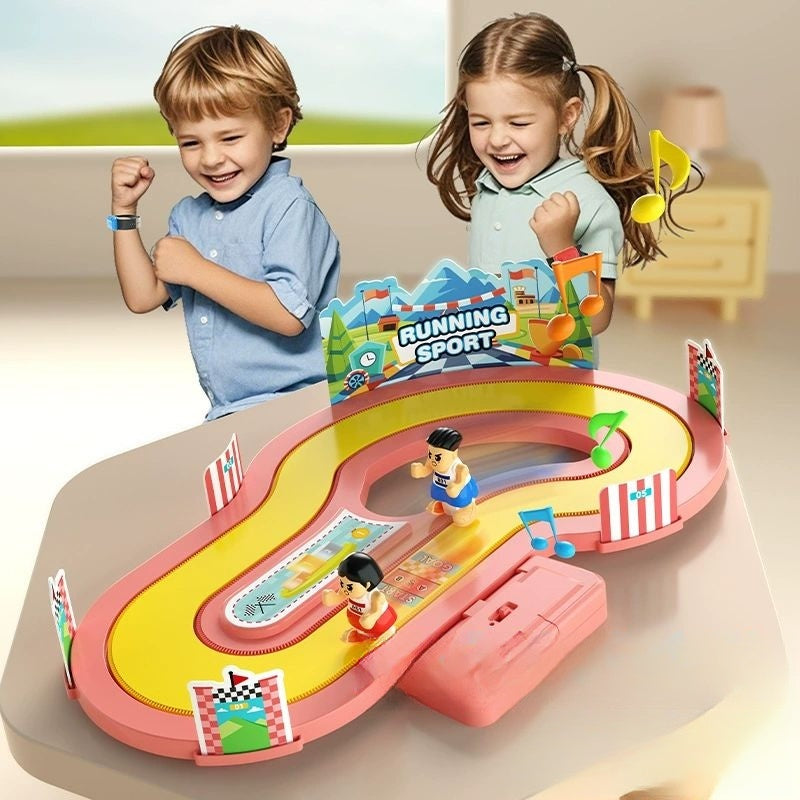
If you’d like a few ready-to-pack, screen-free travel toys to add to your airplane activity bag, explore our Travel Toys collection.
They’re compact, quiet and designed to keep little hands busy—so you can breathe a little easier on your next flight.